7 Proven Donor Appreciation Event Ideas to Show Gratitude


Donor appreciation event ideas get pushed to the bottom of the list at most small nonprofits. There’s always a grant report due or a program to run, so the thank-you becomes a form letter that goes out three weeks late. Donors notice. Many first-time donors never give a second gift, and feeling unappreciated is one of the most common reasons.
The good news is that thanking people well doesn’t take a big budget. It takes a plan, a bit of creativity and a willingness to show donors what their money actually did.
Donor Appreciation Event Ideas That Keep Supporters Coming Back
The seven donor appreciation event ideas below range from an intimate dinner for your biggest supporters to a volunteer morning anyone can join. Each one includes rough US costs, who it suits and the small details that make donors feel seen.
I’ve planned and hosted events for NGOs and schools, and I’ve seen a $40 thank-you breakfast do more for donor loyalty than a $40,000 gala. The difference was that the breakfast was about the donors, not about asking them for more.
Before you plan, sort your donors into rough groups: major donors, monthly givers, first-time donors, long-time supporters and volunteers who also give. Different groups need different kinds of thanks. A personal tour might suit your top 20 donors, while a public celebration or a thank-you video works for everyone.
One more thing. A donor appreciation event should never be a disguised fundraiser. Don’t pass the hat. You can mention upcoming plans, but save the ask for another day.
1. Exclusive VIP Dinners
A private dinner is a classic way to thank your most generous supporters. Invite 8 to 24 major donors to an intimate meal with your executive director, board chair and one or two people your work has helped.
Choose a setting that feels special but fits your organization. A restaurant’s private dining room, a board member’s home or a room at your own facility decorated for the night all work. Expect $75 to $200 per person for a restaurant meal, or less if a board member hosts or a caterer donates their services.
The conversation matters more than the menu. Seat staff and board members among guests, and plan a short, personal program. Have your executive director share a few minutes of updates, then invite a program participant, a teacher or a volunteer to tell their story.
Ask guests ahead of time about dietary needs, and keep the wine list modest. Donors notice when a thank-you dinner looks more lavish than the programs it supports.
Send each guest home with a small gift and a handwritten note. Follow up with a personal call within a week. These dinners are one of the most effective donor appreciation event ideas for building long-term relationships with major donors.
2. Behind-the-Scenes Tours
Donors love seeing where their money goes. A behind-the-scenes tour gives them a look at your work that the public doesn’t usually get, such as the animal shelter’s intake area, the food bank’s warehouse, the school’s new science lab or the clinic’s exam rooms.
Keep groups small, around 6 to 15 people, and plan for 60 to 90 minutes. Have staff and volunteers lead parts of the tour, explaining what they do in their own words. Include one hands-on moment if you can, like packing a food box, feeding a rescued animal or sitting in on a class (with permission from participants).
Finish with coffee and light refreshments, about $10 to $20 per person, and a short Q&A with your leadership. Give donors a photo or a small memento from the visit.
Tours build trust because they show donors exactly how your organization works. They cost very little, and you can run them several times a year.
3. Personalized Thank-You Gifts
A thoughtful, personal gift shows donors you know who they are. It doesn’t need to be expensive. In fact, many donors would rather you didn’t spend much on gifts.
Good options include a framed photo of the project they funded, a handwritten card from a child in your program, a small item made by participants (like pottery from an art therapy class), a custom calendar with photos of your work or a plant for an environmental group.
Some organizations hold a small gathering to present the gifts, turning them into a mini event. Others mail them with a personal note. Either way, mention the specific gift or project (“Your support paid for 300 hours of tutoring”) and the donor’s name, not just “Dear Friend.”
Keep the IRS rules in mind. For any single gift of $250 or more, donors need a written acknowledgment from your organization to claim a deduction, and it must say whether you gave them anything in return. The IRS guide to substantiating charitable contributions explains what to include. Small tokens of appreciation usually fall under low-cost item rules, but check with your accountant.
4. Donor Recognition Ceremonies
A recognition ceremony honors donors publicly, which many people appreciate. It can be a standalone event or part of an annual meeting or celebration.
Start with a cocktail or coffee reception so guests can mingle. Then hold a short ceremony with awards in a few categories: Donor of the Year, Longest-Serving Supporter, Corporate Partner of the Year, Volunteer of the Year and maybe a Young Philanthropist award. Ask recipients if they’d like to say a few words, and keep speeches brief.
Show a short video of your work and the people it has helped. Unveil a donor wall, a plaque or a named space if you have one.
Not every donor wants public recognition, so always ask permission before naming someone. Some prefer to stay anonymous. A ceremony for 100 guests usually costs $25 to $60 per person, depending on food and venue.
If your organization already holds a formal fundraising night, you can add recognition awards to the program. Our guide to planning a charity gala event shows how to fit them into the run-of-show.
5. Appreciation Brunches
A brunch is relaxed, affordable and easier for many donors to attend than a weeknight dinner. Families can come, older donors don’t have to drive at night and the mood is naturally warm.
Host it at a local restaurant, a community center or your own space on a weekend morning. A buffet brunch usually costs $20 to $45 per person. Add fresh flowers, a coffee and mimosa bar (with alcohol-free options) and some live acoustic music.
Keep the program short, about 15 to 20 minutes. A welcome, one story from someone you’ve helped and a thank-you from your leader is enough. Then let people eat and talk.
Brunches work well as annual events for all donors, not just major ones. Monthly donors, in particular, often go unthanked, and a brunch invite can make them feel part of the team. It’s one of the most accessible donor appreciation event ideas for small nonprofits.
6. Impact Showcases
An impact showcase shows donors the results of their giving. Think of it as an open house or exhibit that brings your work to life.
Set up stations for each program, with photos, short videos, before-and-after displays and simple infographics like “1,200 meals served,” “45 students graduated” and “18 homes repaired.” Have staff, volunteers and program participants at each station to answer questions and share stories.
Include something interactive. Donors could try a piece of equipment you bought, read letters from children, watch a short demonstration or see a project in progress.
Add light refreshments and keep the event open for a few hours so donors can drop in when it suits them. Costs are usually $10 to $30 per person. Use a free event platform like Eventbrite to manage RSVPs and send reminders.
Impact showcases are powerful because they answer the question every donor has: “Did my money make a difference?” If your work happens in many places or is hard to show in a single room, use a short video tour or a photo slideshow on a loop. A one-page handout listing three or four results, with a photo for each, gives donors something to take home and share with friends who might also want to give.
7. Volunteer Appreciation Days
Many donors want to do more than give money. A volunteer day lets them roll up their sleeves and see your work up close, and it’s a great way to say thanks.
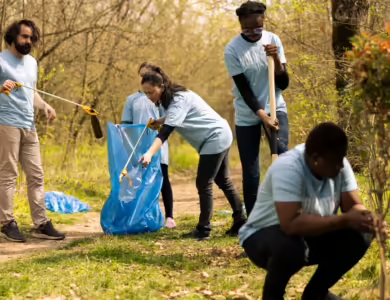
Choose an activity that relates to your mission. An environmental group might plant trees or clean a river. A food bank could host a packing shift. An animal shelter might do a dog-walking morning, and a school could hold a classroom makeover day.
Keep it well organized, with clear instructions, all the supplies people need and a staff lead for each group. Provide T-shirts, water, snacks and lunch, usually $15 to $30 per person. Families with children often love this, so plan kid-friendly tasks if you can.
End the day with a short thank-you gathering, a group photo and a quick summary of what everyone accomplished. Many donors say volunteer days make them feel more connected to your cause than any other event.
Matching Donor Appreciation Event Ideas to Your Donors
Not every donor wants the same kind of thanks. Use this table as a starting point, then adjust based on what you know about your supporters:
| Donor group | Best-fit ideas | Typical cost per guest |
|---|---|---|
| Major donors | VIP dinner, private tour, personalized gift | $50–$200 |
| Monthly donors | Appreciation brunch, impact report, anniversary note | $5–$45 |
| First-time donors | Thank-you call, welcome email, tour invite | $0–$20 |
| Long-time supporters | Recognition ceremony, named award, handwritten note | $25–$60 |
| Corporate partners | Volunteer day, impact showcase, public recognition | $15–$40 |
| Donors who volunteer | Volunteer appreciation day, group photo, thank-you video | $15–$30 |
A simple checklist helps any of these events go smoothly:
- Six weeks out: Choose the format, set the date and build your guest list from your donor database.
- Four weeks out: Send personal invitations, by mail for major donors and by email for everyone else. Ask about dietary needs and accessibility.
- Two weeks out: Line up your speaker or storyteller, confirm food and print name tags.
- Event day: Brief staff and board members on who’s attending, so they can greet donors by name and thank them for something specific.
- Within a week: Send thank-you notes and photos, and record who attended in your donor database.
That last step is easy to skip, but it matters. Knowing who came to which events helps you plan better donor appreciation event ideas next time and shows which supporters are most engaged.
Low-Cost Ways to Thank Donors Between Events
Events are only one part of donor appreciation. These simple ideas cost little and keep donors feeling valued all year:
- Thank-you calls. Ask board members to call new donors within a week of their gift, just to say thanks. No ask, no script, just a real person.
- Handwritten notes. A short note from a staff member, volunteer or program participant goes a long way.
- Thank-you videos. Record a 30-second video from a child, a volunteer or your director and email it to donors.
- Impact reports. Send a short, visual update twice a year showing what donors made possible.
- Social media shout-outs. With permission, thank donors and partners publicly.
- Anniversary messages. Note the date of each donor’s first gift and send a thank-you on that anniversary.
Many of these ideas also work for businesses thanking their customers. Our list of client appreciation event ideas has more.
FAQs About Donor Appreciation Event Ideas
1. How often should nonprofits hold donor appreciation events?
Most nonprofits hold one larger event a year, like a brunch or recognition ceremony, plus smaller touches such as tours, calls and notes throughout the year. Major donors may get more personal attention, such as a dinner or private tour.
2. How much should we spend on donor appreciation?
Keep costs modest. Donors want their money to go to the mission. Many organizations spend $10 to $50 per guest on appreciation events and use in-kind donations, volunteer hosts and board member homes to keep costs low.
3. Should we ask for donations at an appreciation event?
No. An appreciation event should be about thanking donors. You can share upcoming plans or needs, but don’t make a direct ask. Follow up with an appeal later if appropriate.
4. How do we thank donors who don’t want public recognition?
Always ask donors how they’d like to be recognized. For anonymous donors, a private note, a phone call from your director or a small private tour can be just as meaningful.
5. What are some donor appreciation event ideas for small nonprofits?
Small nonprofits can host behind-the-scenes tours, potluck or coffee brunches, volunteer days and impact open houses on a tight budget. Handwritten notes and thank-you calls cost almost nothing and are highly effective.
6. How soon should we thank a donor after a gift?
Within 48 hours if you can, and no more than a week. A quick email or call followed by a written acknowledgment works well. Fast thanks tell donors their gift mattered. A slow, generic receipt tells them the opposite, even when that isn’t what you meant.
Conclusion
The best donor appreciation event ideas don’t need to be expensive. They need to be personal and honest. A VIP dinner, a behind-the-scenes tour, a thoughtful gift, a recognition ceremony, a brunch, an impact showcase or a volunteer day can all show donors that their support matters.
Pick two or three that fit your donors and your budget, and make thanking people a regular part of your calendar, not an afterthought. Donors who feel appreciated give again, give more and tell their friends. That’s how a small donor base grows into a community.
Ready to plan your next fundraiser? Browse our list of fundraising event ideas for nine proven options.